 Favorite
Commons Clinic
I conducted competitor UX flow analysis, led light UX research using AI, translated insights into actionable design decisions, and presented findings, concepts, and future brand direction to stakeholders.
My Role
Conducted competitor UX flow analysis, led light UX research using AI, translated insights into actionable design decisions, and presented findings, concepts, and future brand direction to stakeholders.The Challenge
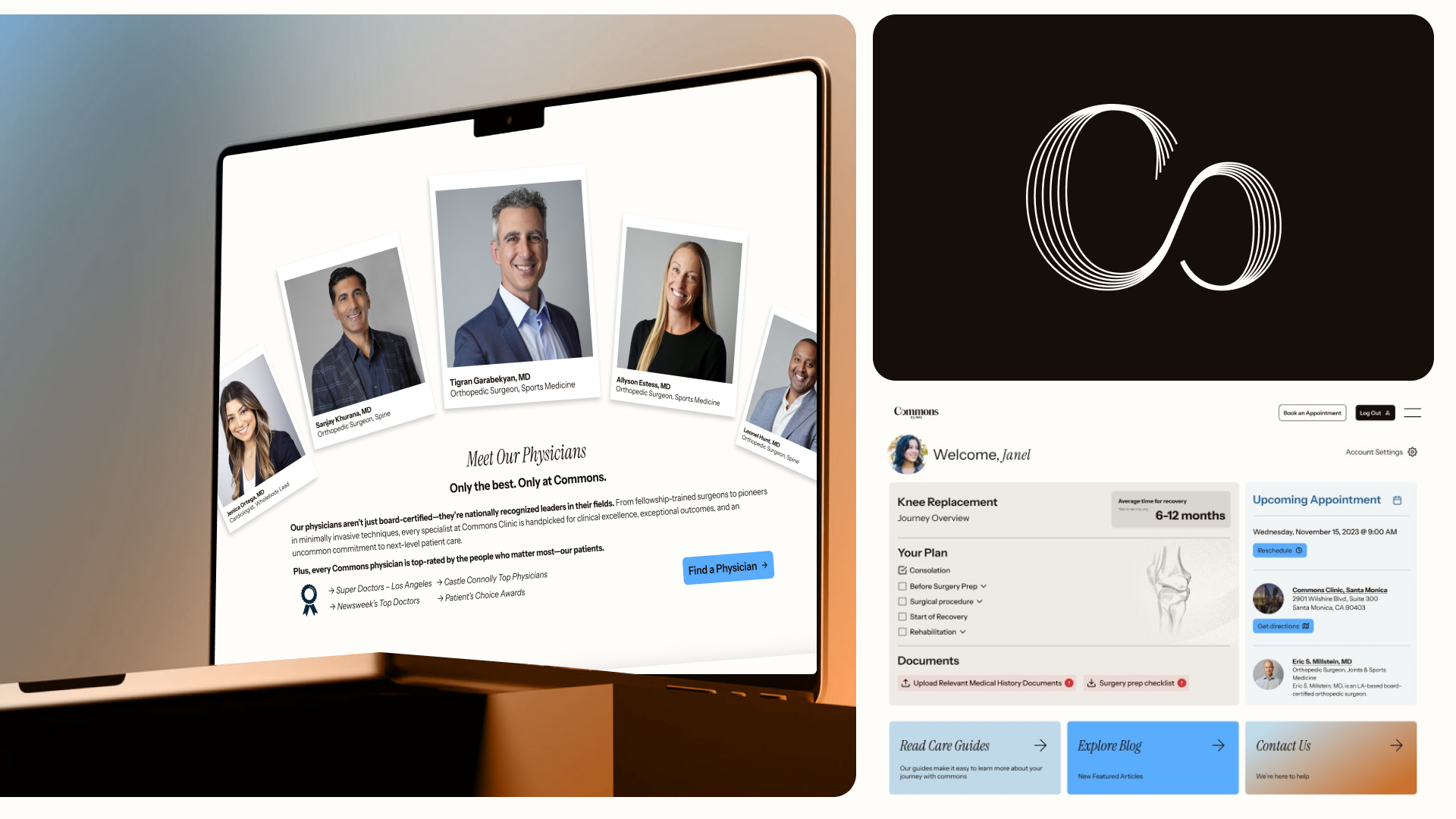
Behind any good design, is strategy. Commons Clinic asked me to reimagine their website as a unified, in-platform experience. Patients should be able to explore care options, learn about providers, and book appointments, all without leaving the ecosystem.
The experience needed to feel modern, premium, and trustworthy while aligning with the core brand. But before jumping into design, I needed to understand the gap between what they had and what they needed.
Website vs. Product
A website markets. A product serves. The opportunity was to shift Commons Clinic from the first to the second: interactive, functional, and built around task completion.User Flow Mapping
I mapped user flows to analyze, optimize, and streamline the experience, ensuring the path from browsing to booking was intuitive and efficient.Competitor UX Analysis
I analyzed Commons alongside Hims and Airbnb using a self-built UX Research AI Agent to surface patterns in navigation, clarity, and decision-making.UX Research
With the stakeholder goals defined and the task understood, I moved into executing the two research methods I chose to guide the design direction: user flows and competitor UX/UI analysis.
The Big Question: How do you transform a website into a product experience?
You stop designing pages and start designing pathways. Every research finding became a decision: what to surface, what to simplify, and where to guide the user next. The goal was to close the gap between browsing and doing.
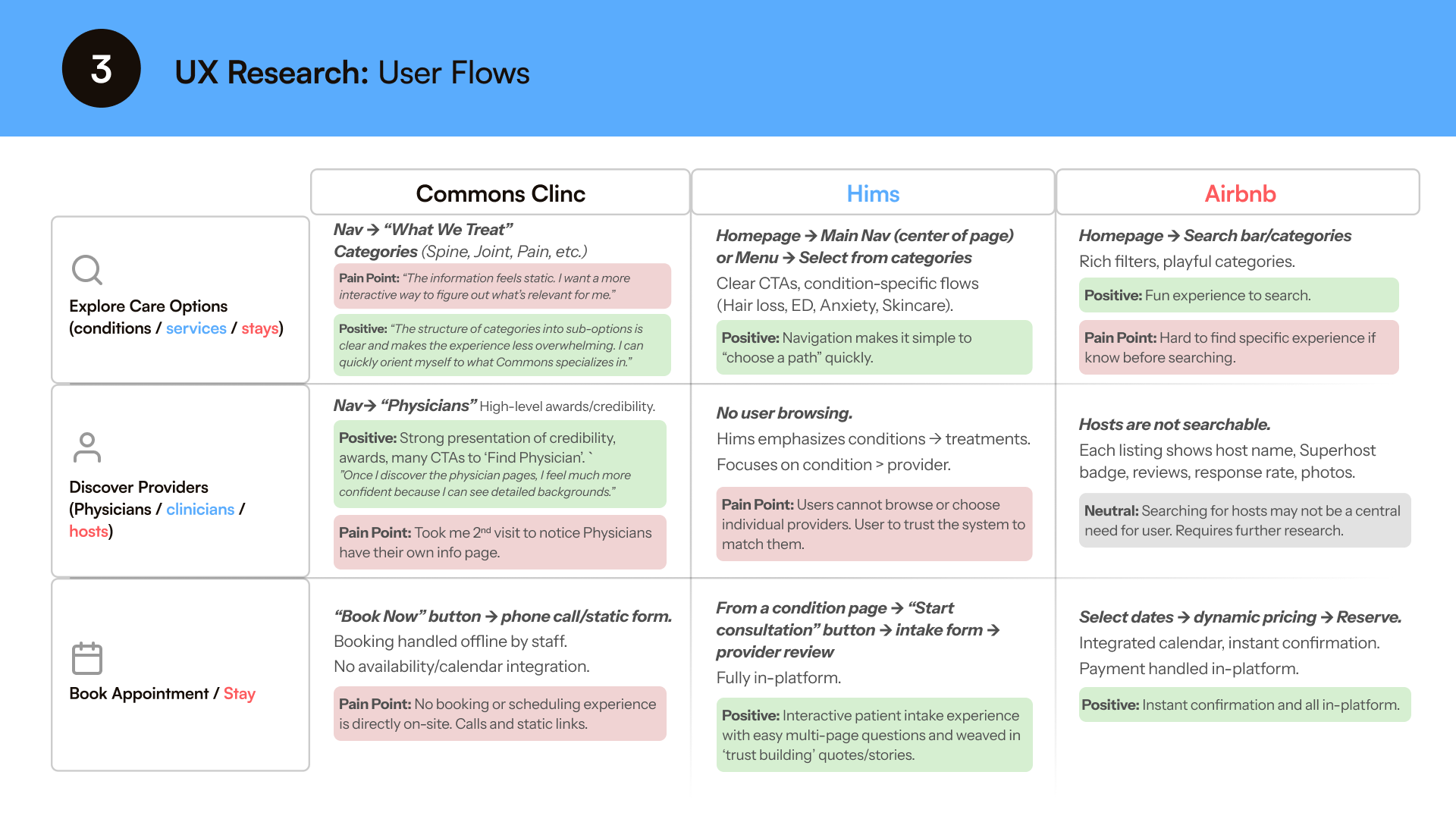
Method 1: User Flows
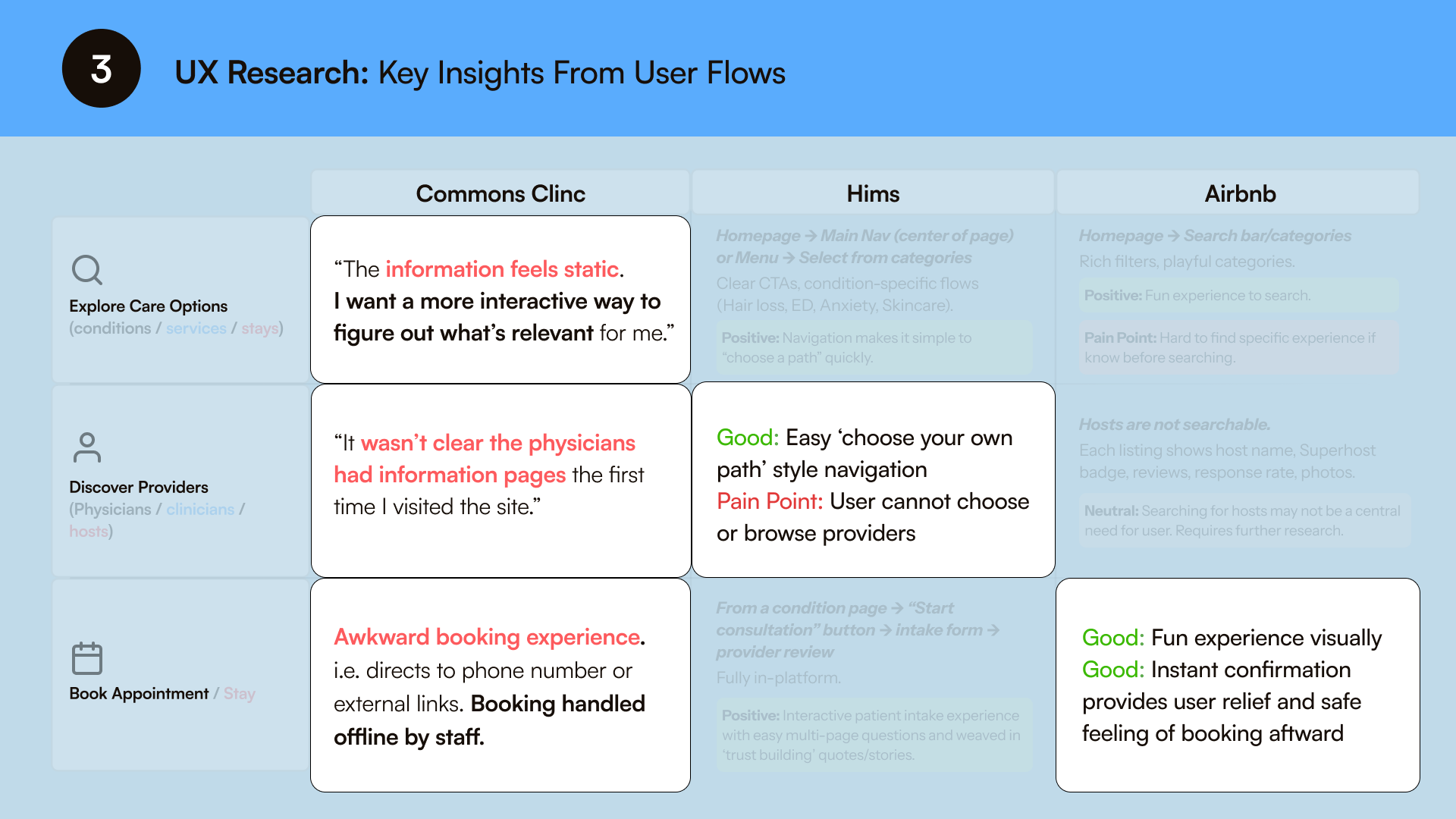
I mapped user flows across Commons Clinic, Hims, and Airbnb to compare how each platform guides users toward a clear outcome.
HoverTap to reveal key insights
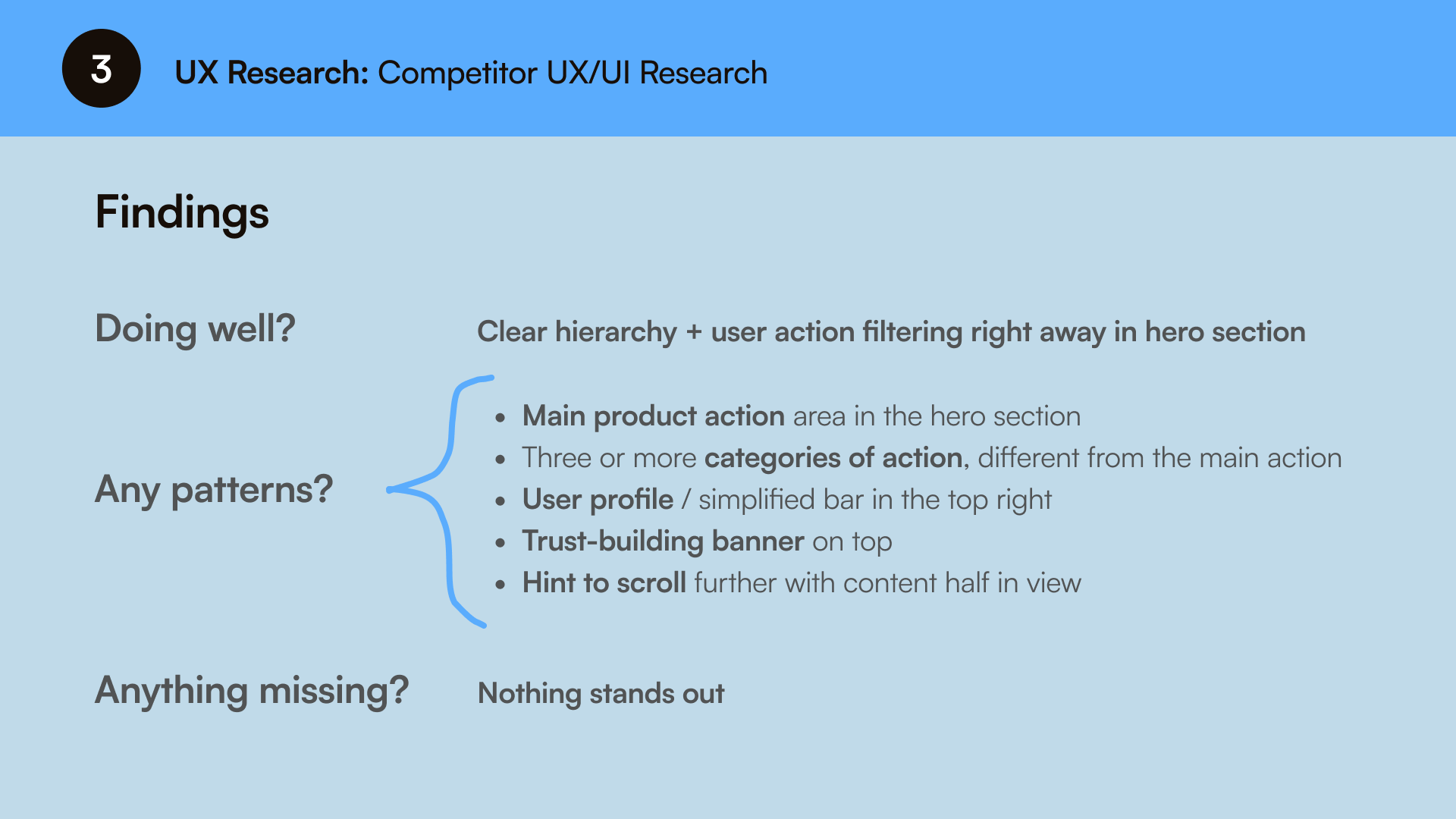
Method 2: Competitor UX/UI Analysis
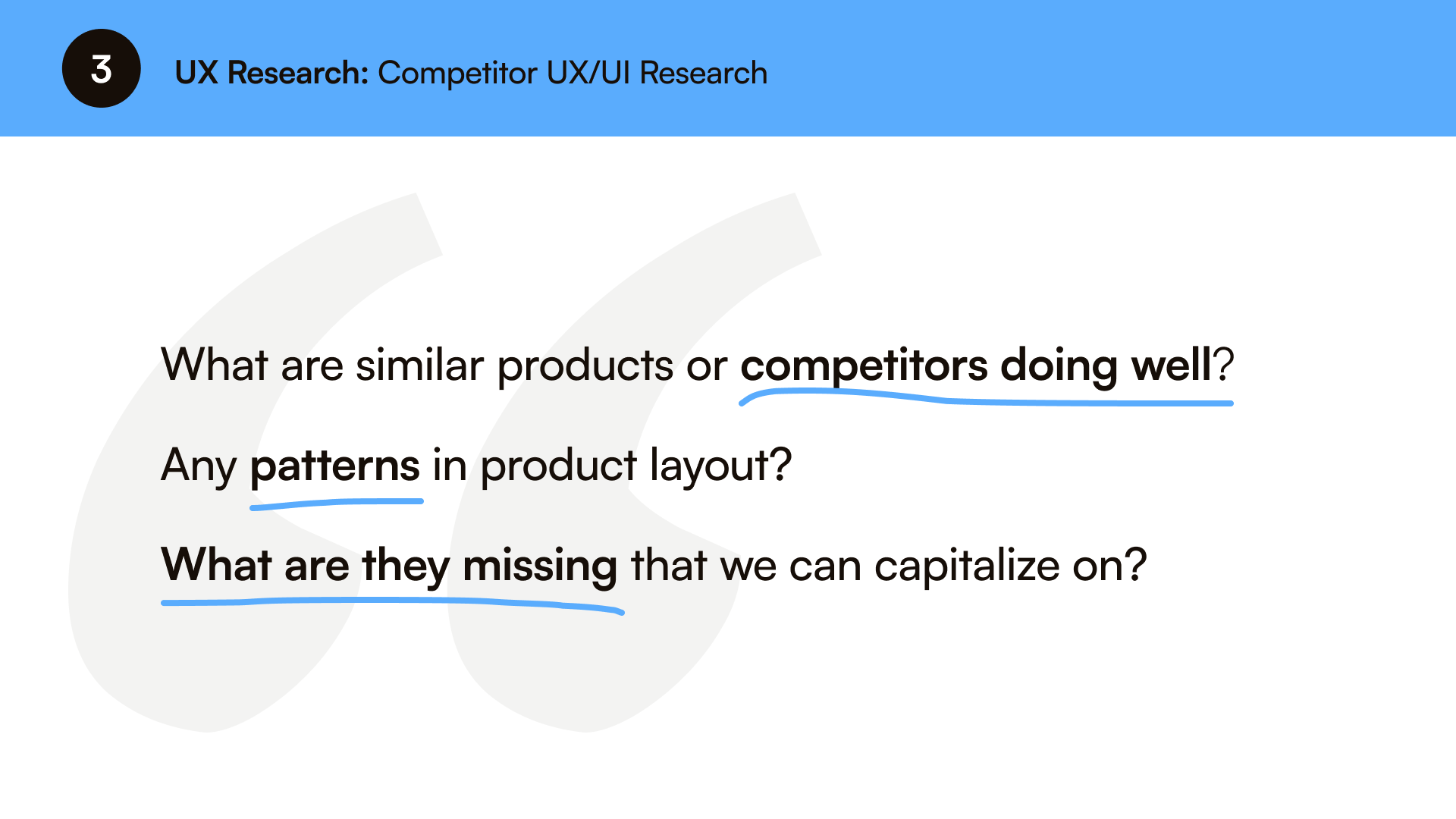
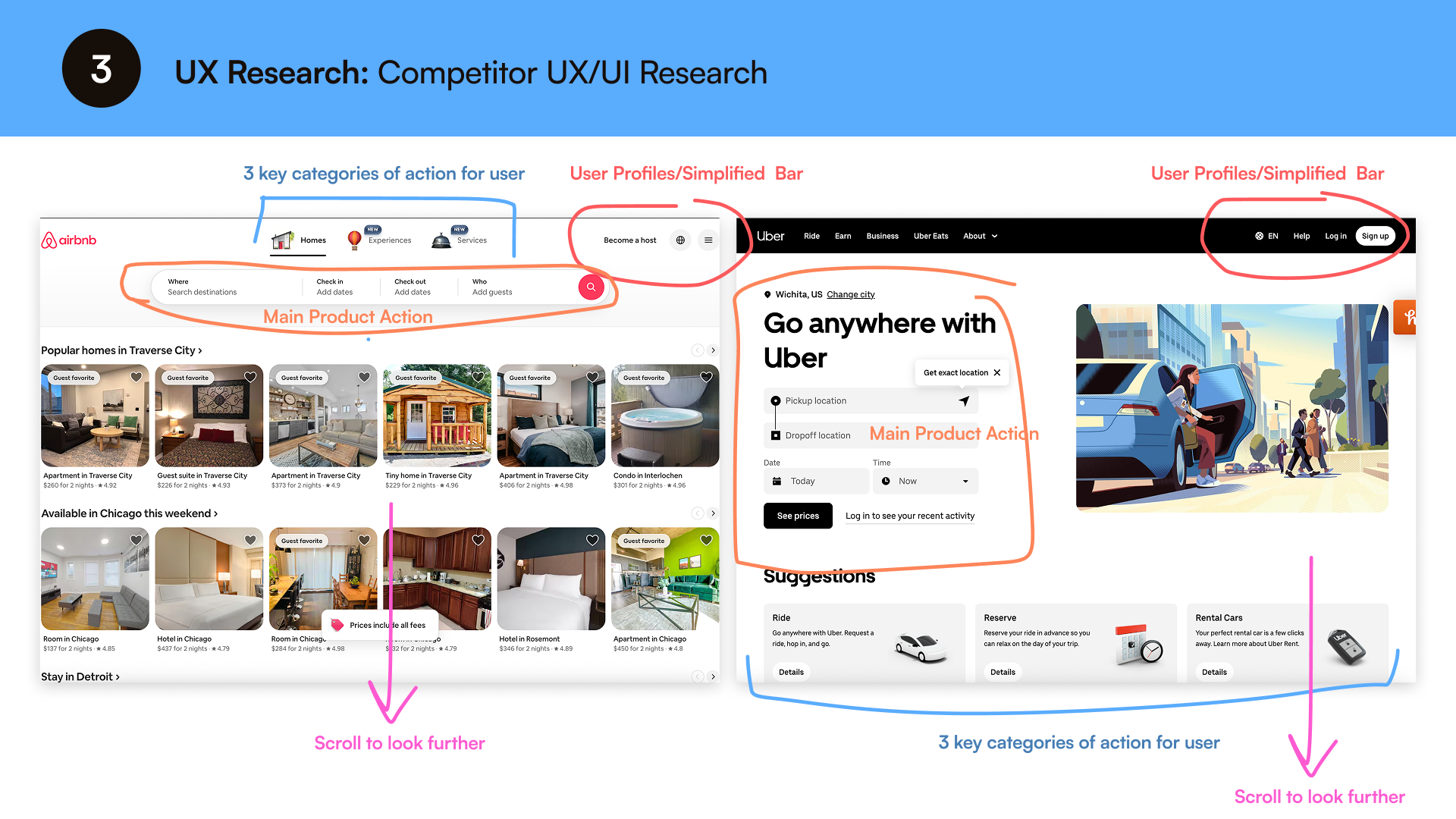
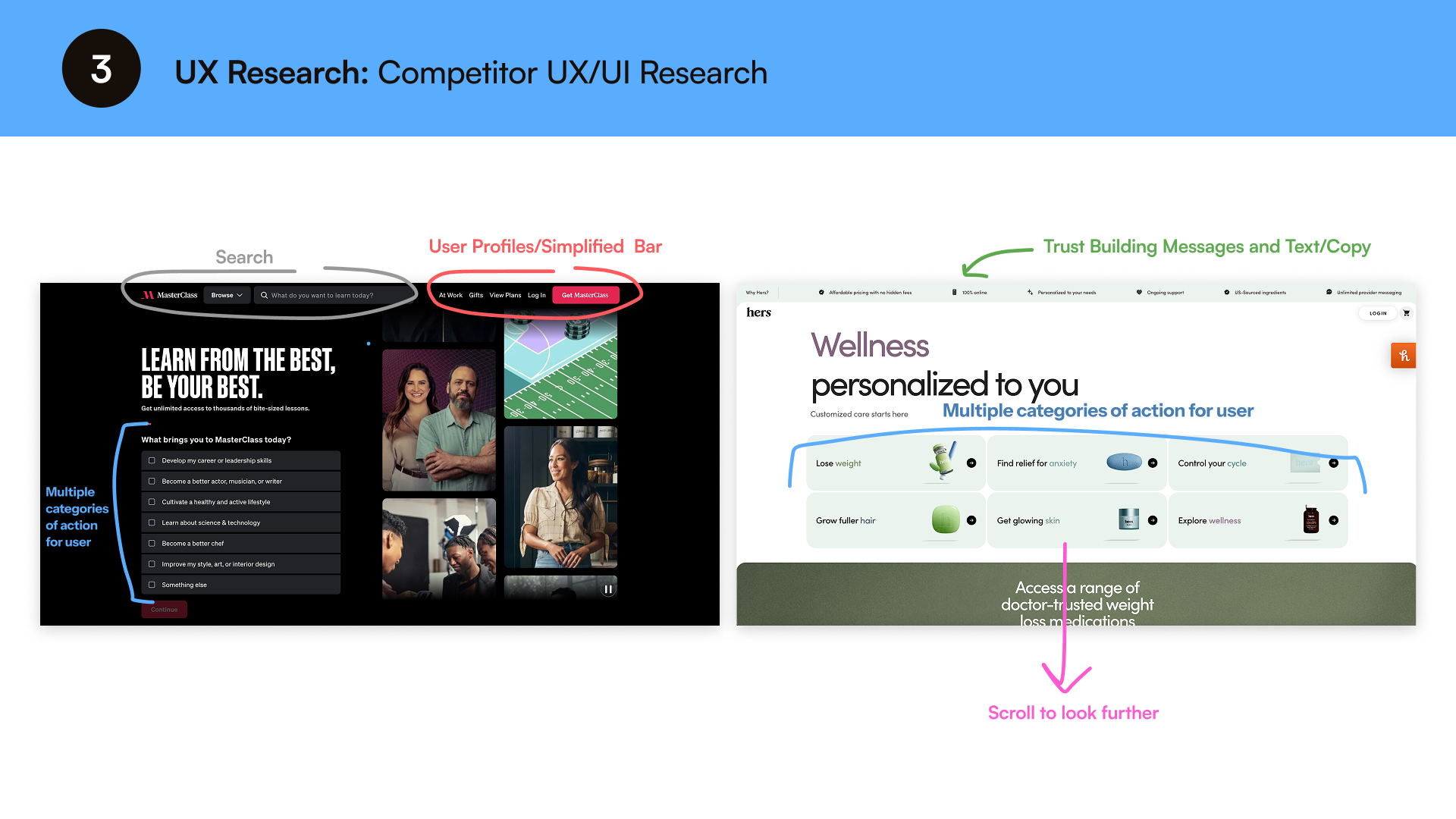
Next, I inspected competitor layouts to identify common UX patterns and opportunities Commons Clinic could capitalize on.
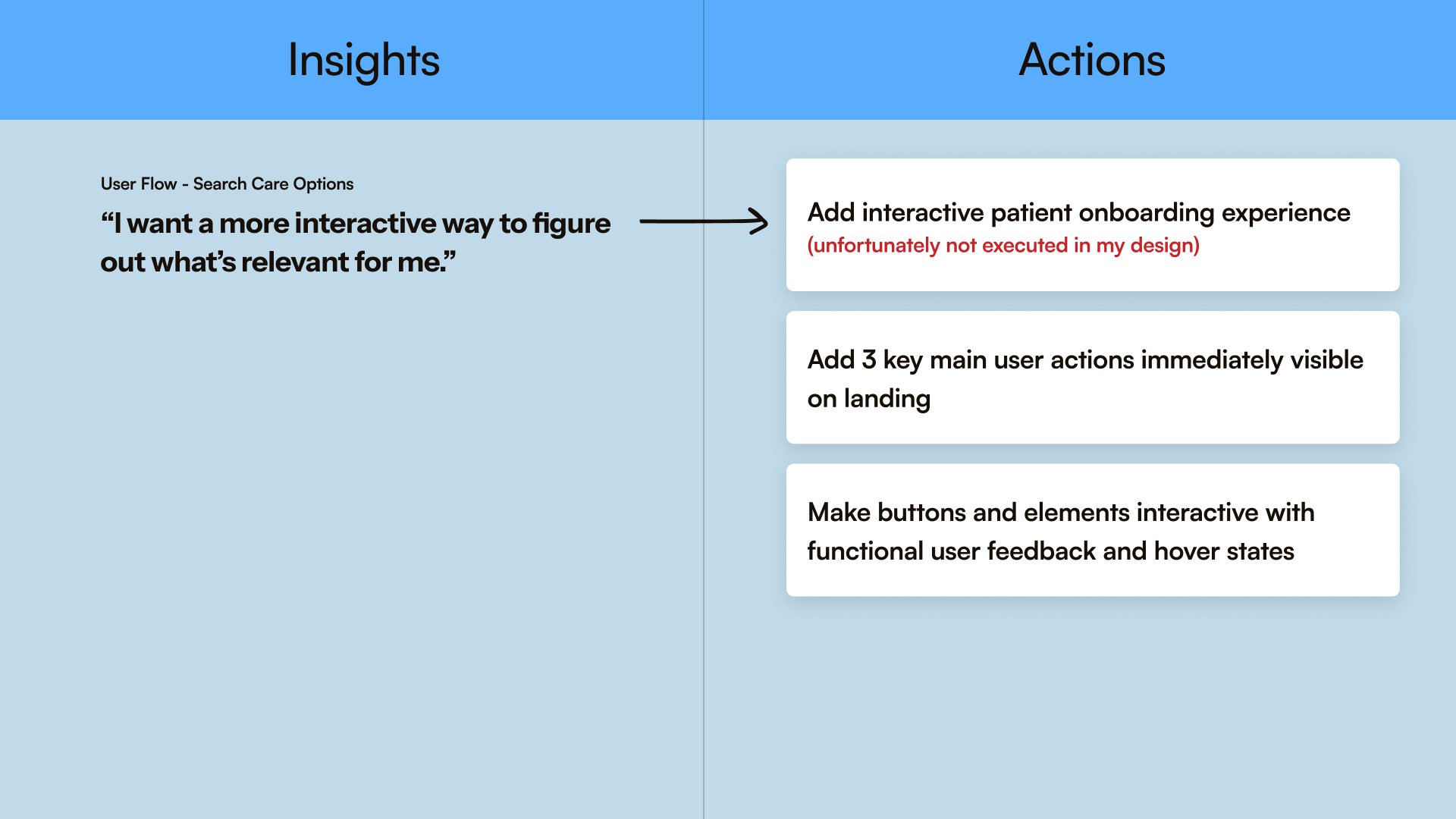
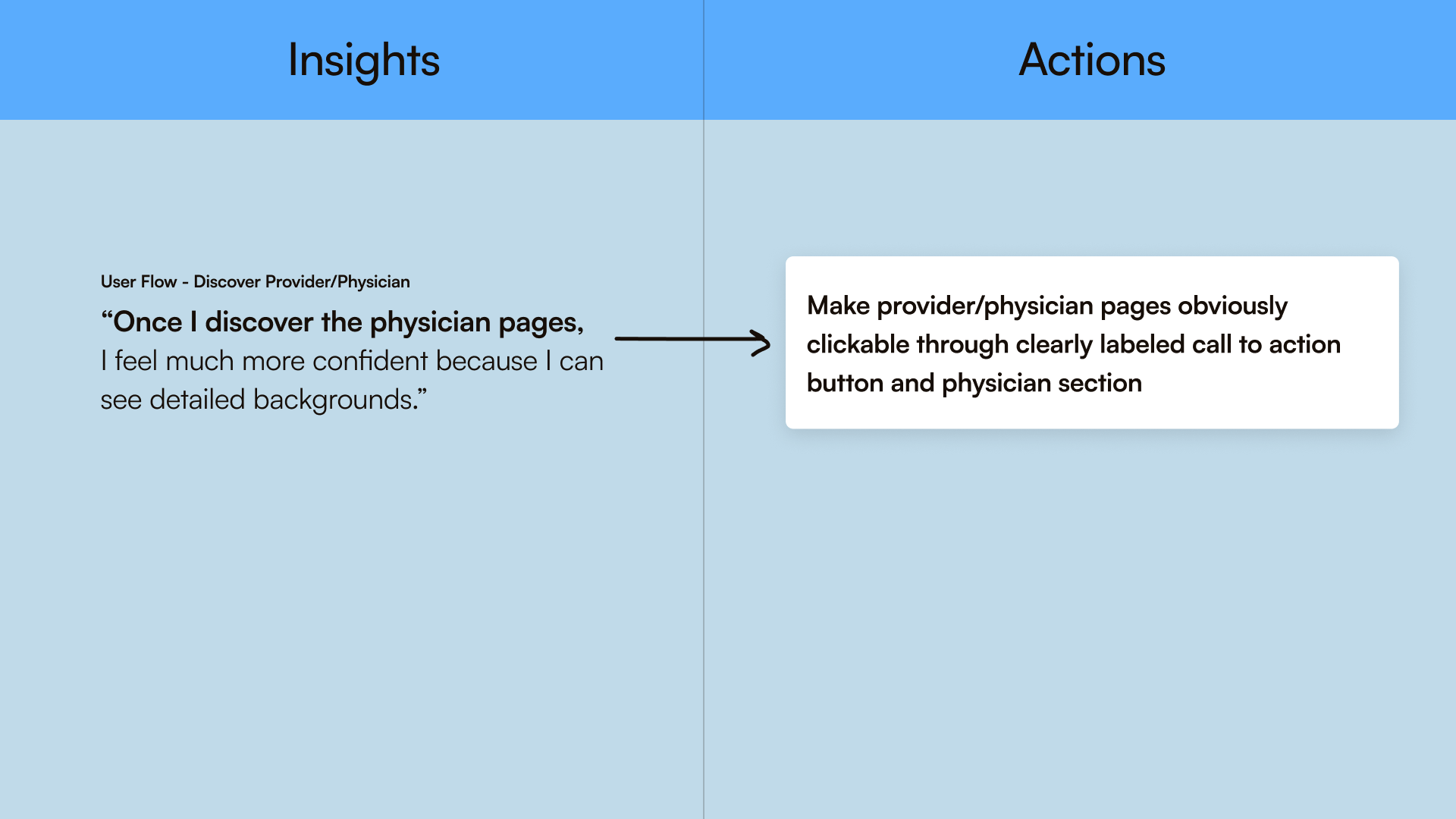
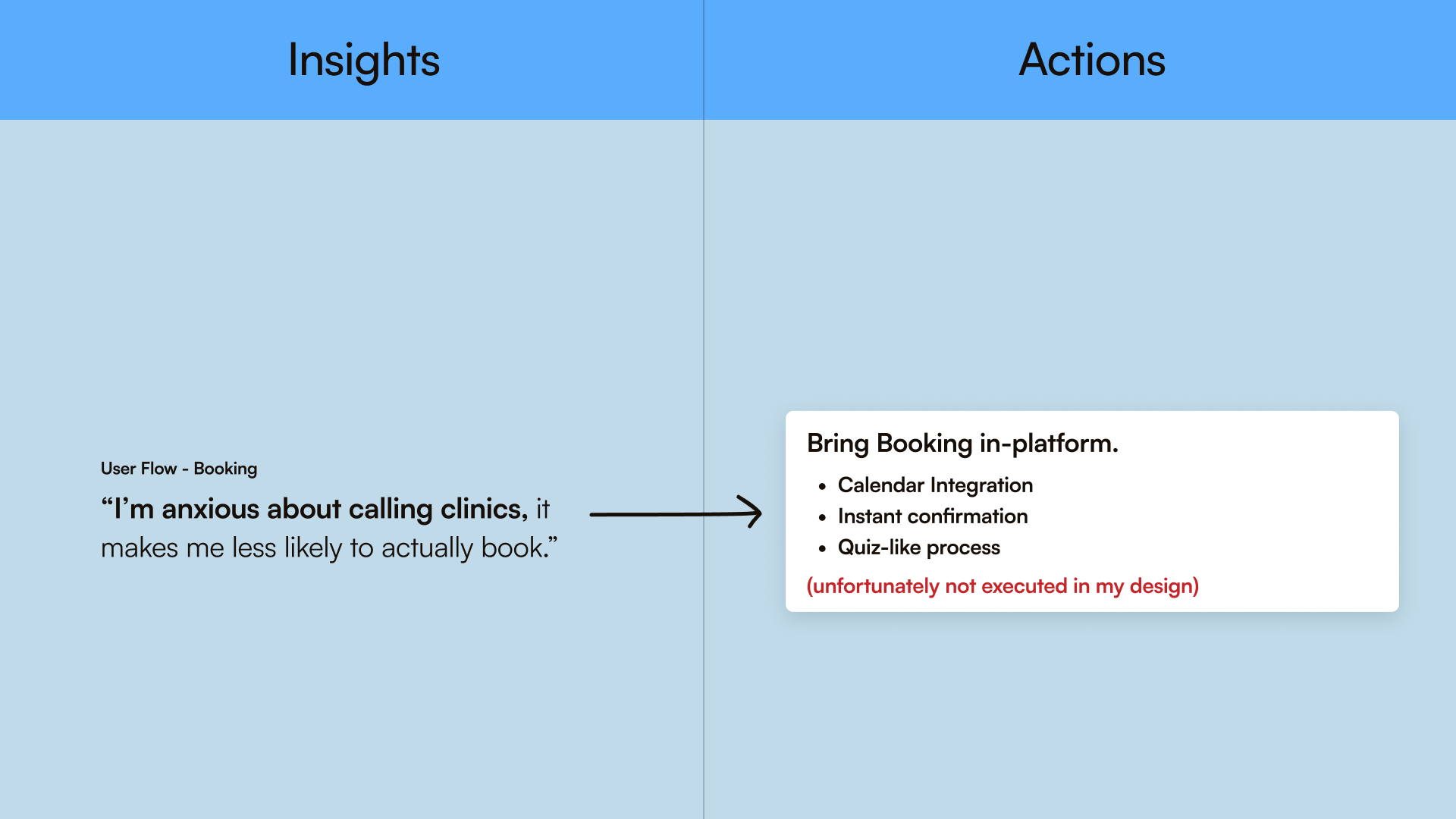
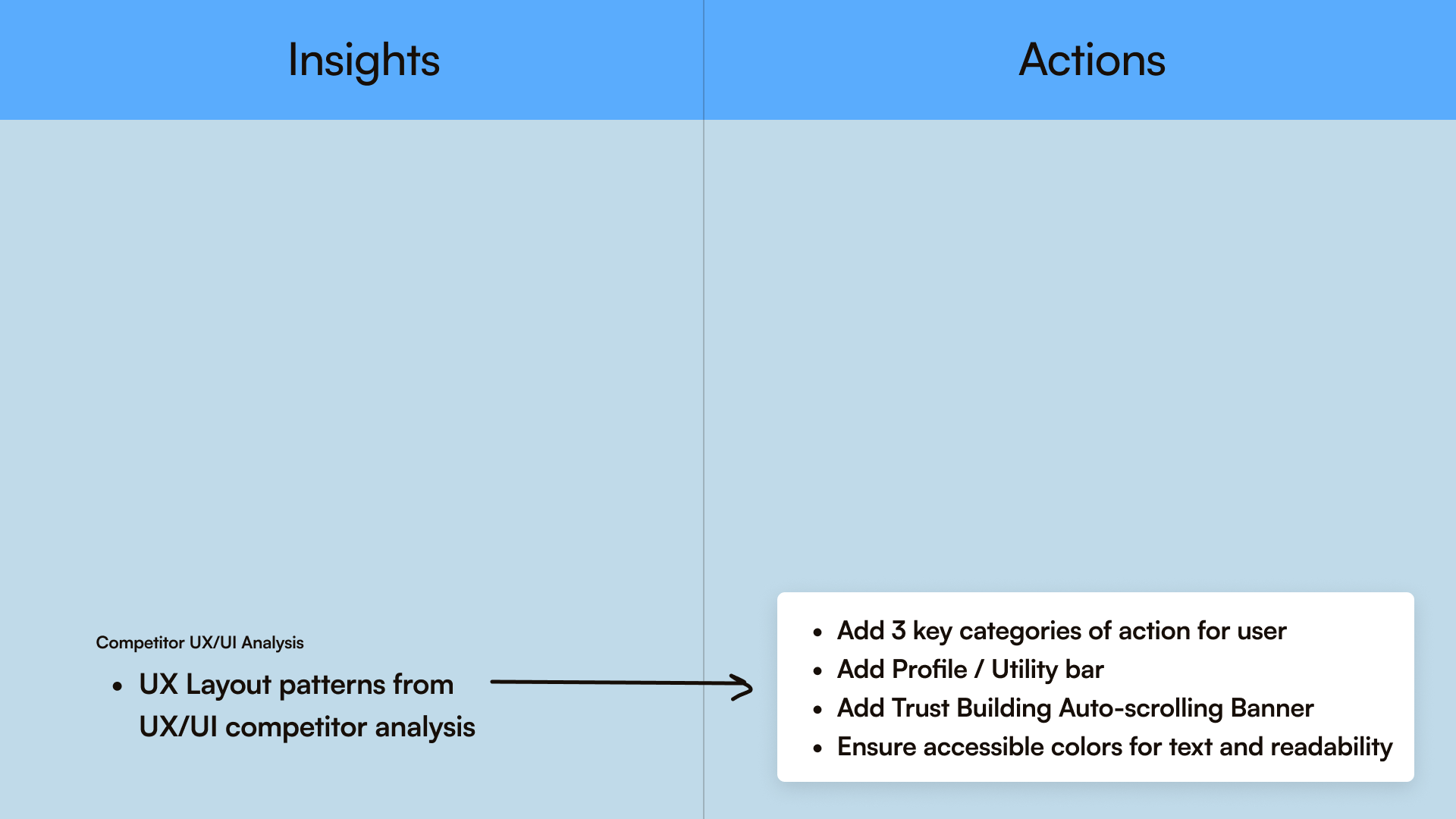
Insights to Action
Each research insight mapped directly to an actionable design decision.
Insight to action mapping. Use arrows to navigate
Design Execution
Product Thinking
Repositioned Commons Clinic from a static informational site into the foundation of a scalable product ecosystem.Research-Driven Design
Combined UX research, product thinking, and thoughtful visual design to simplify the healthcare journey while strengthening trust and clarity.The Result
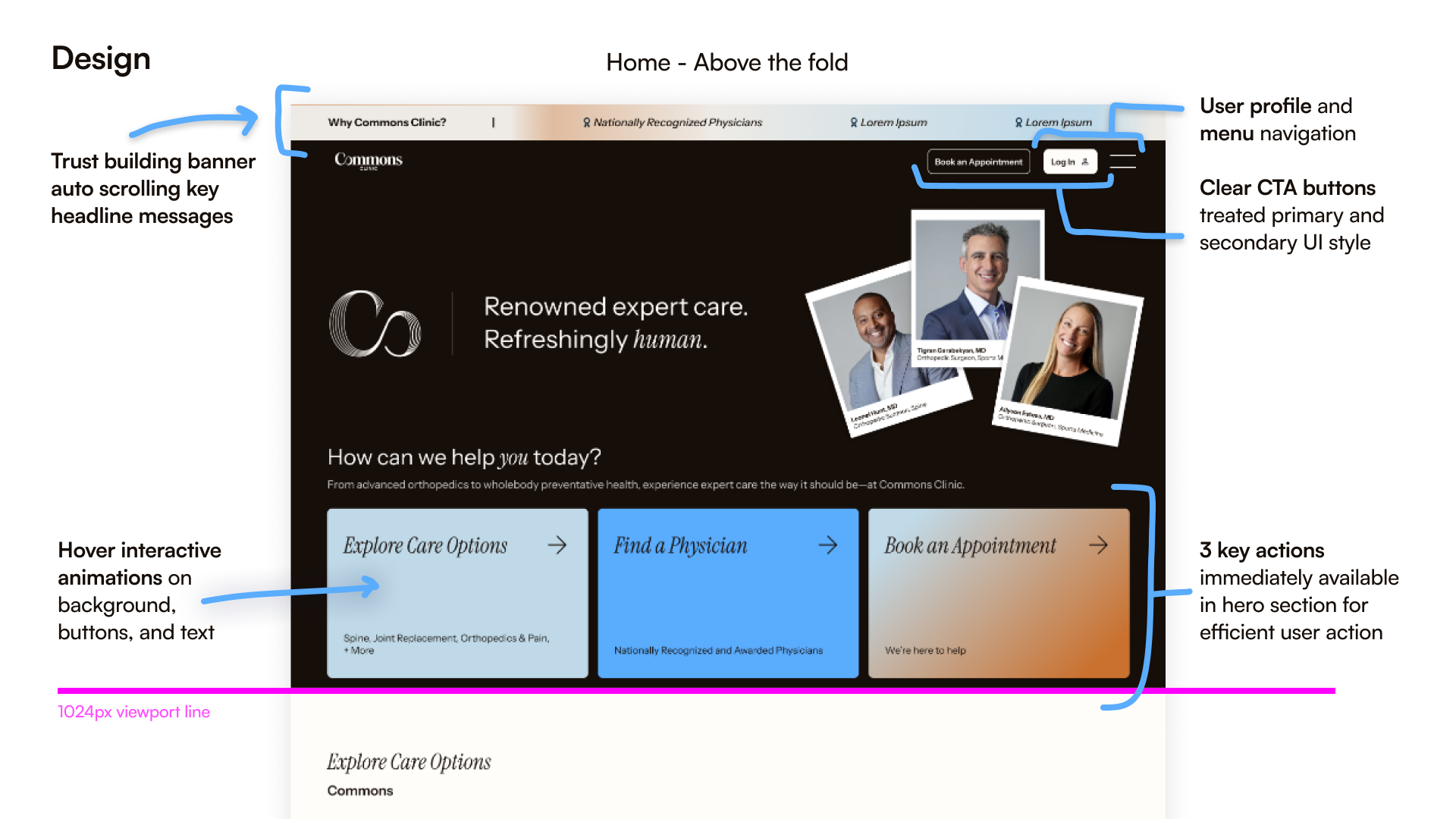
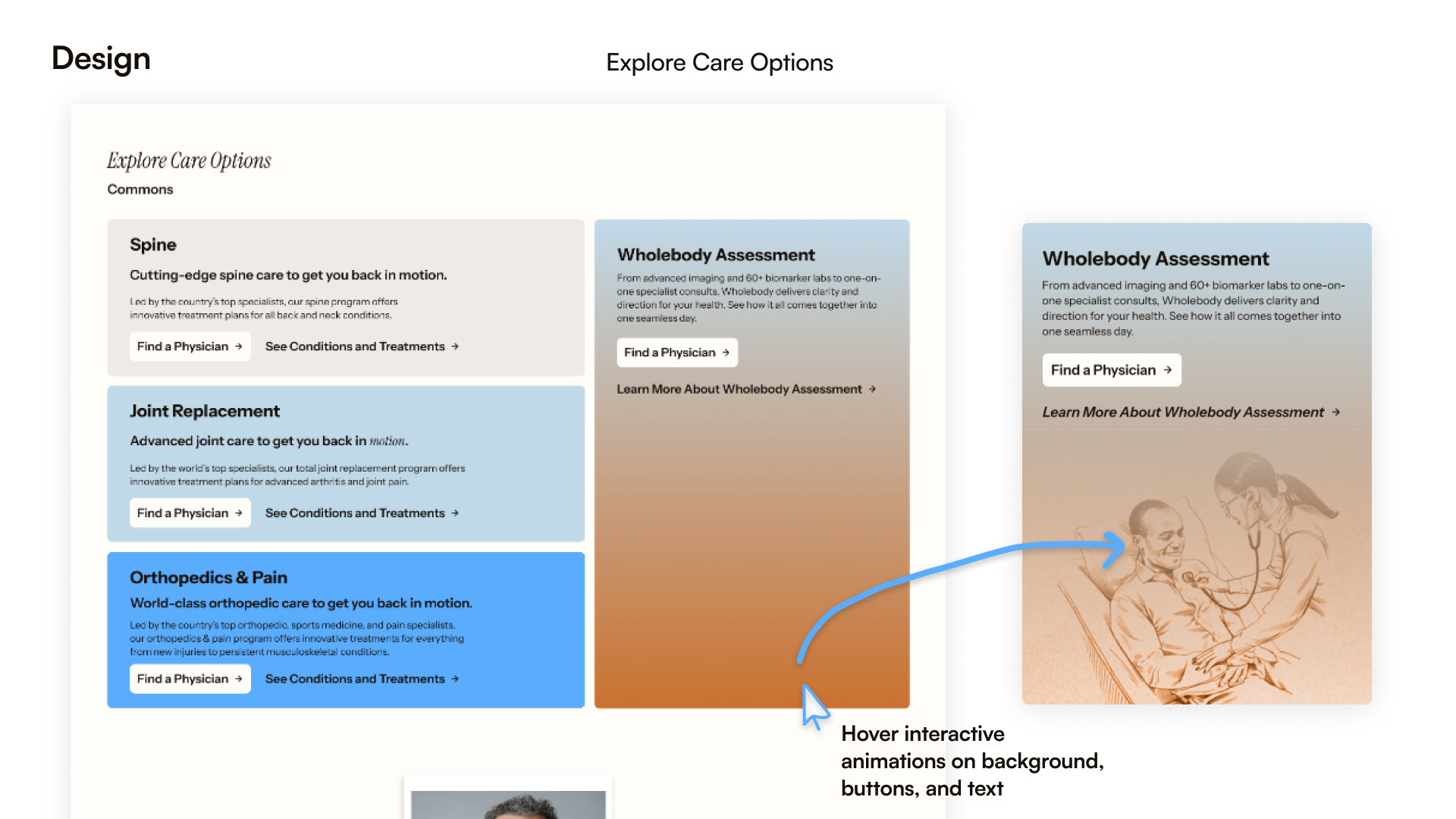
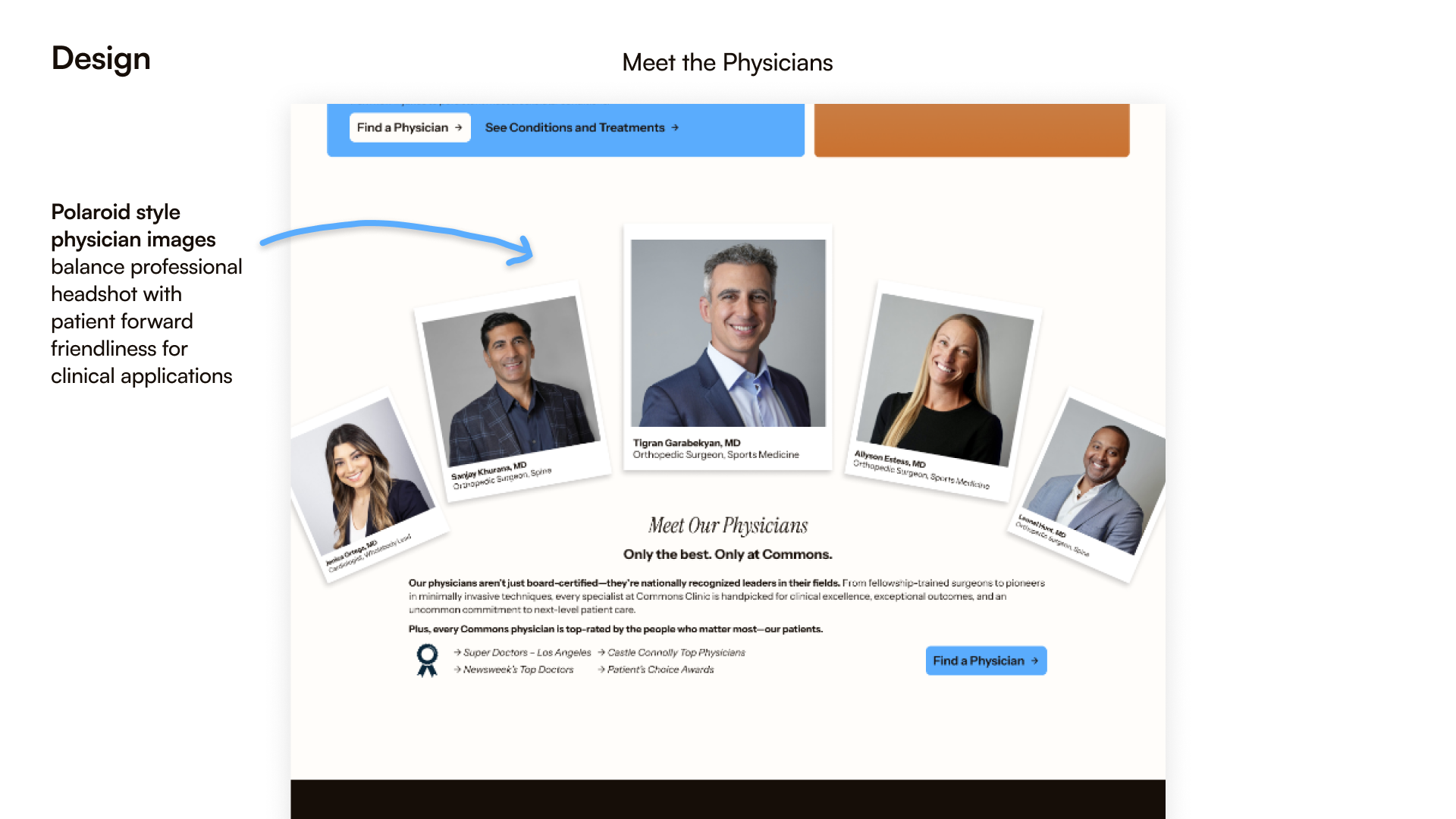
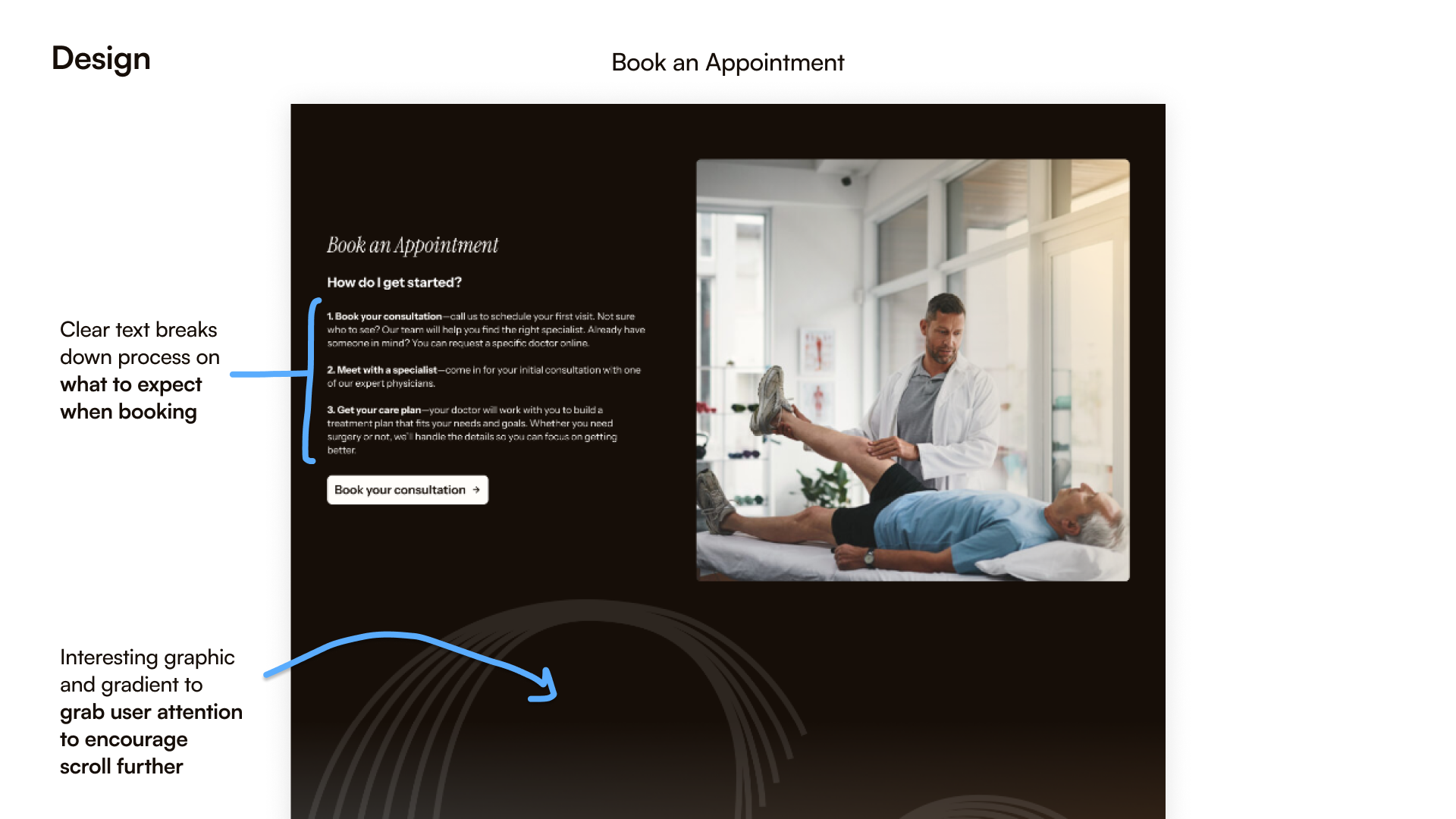
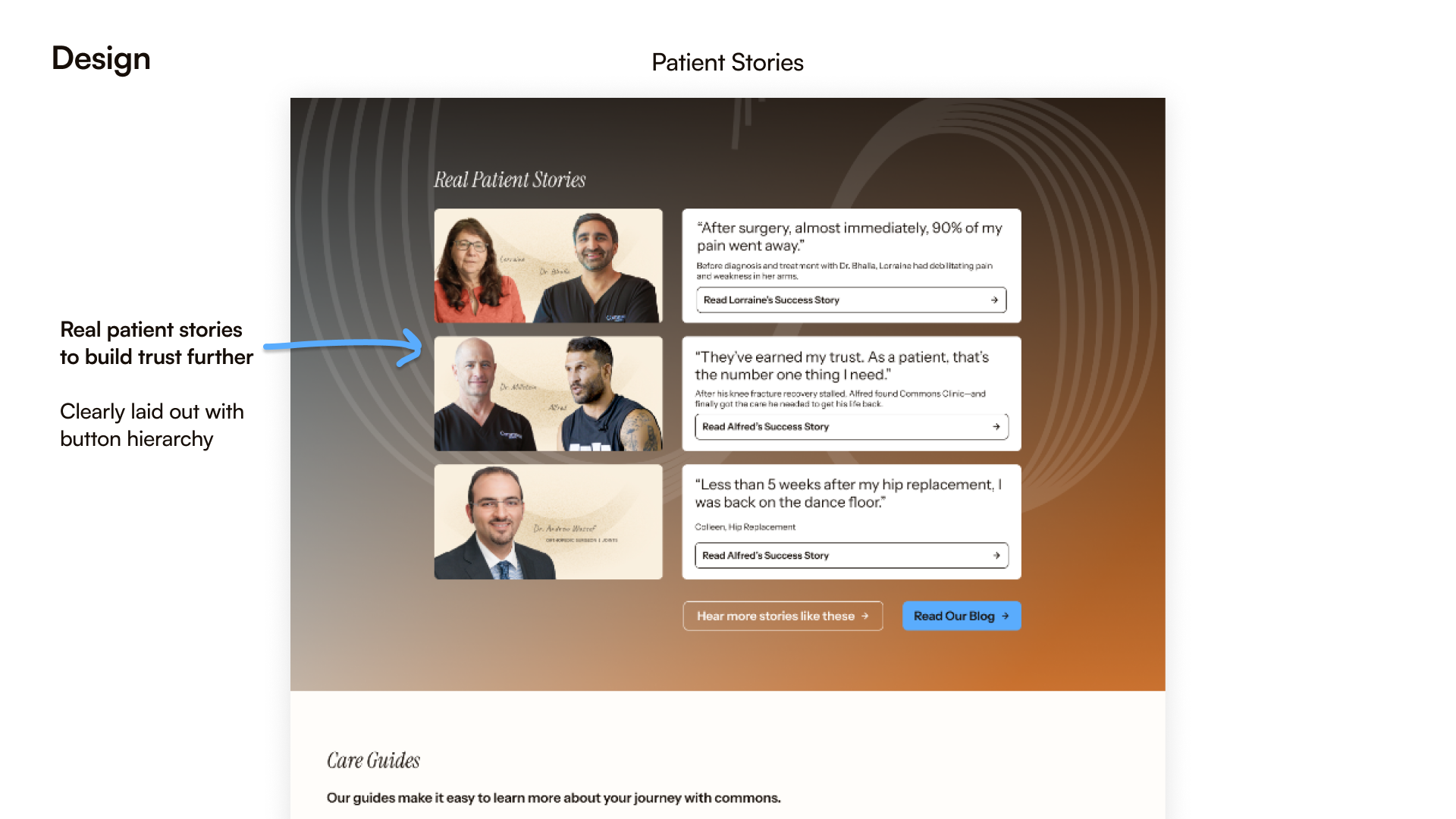
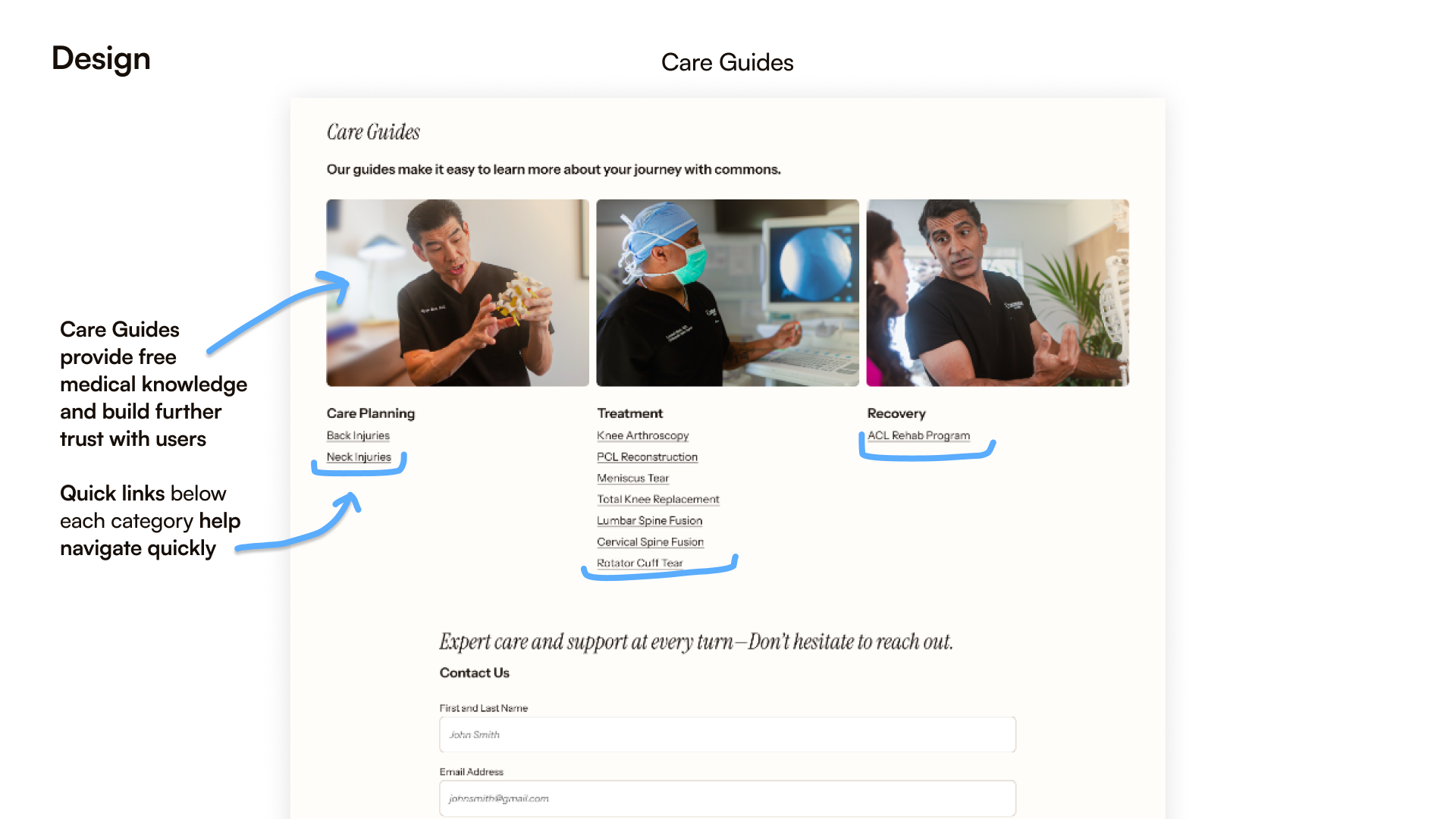
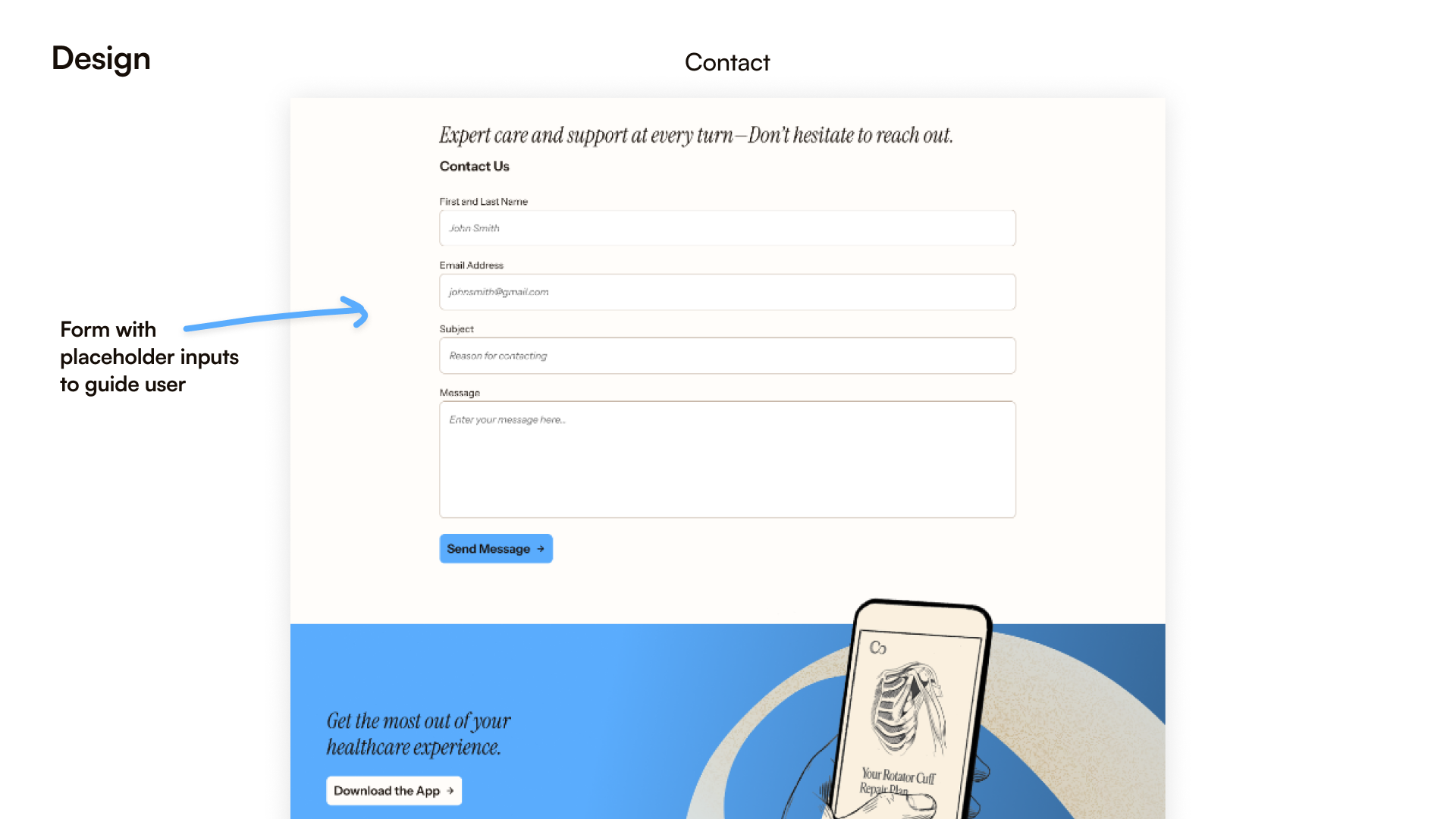
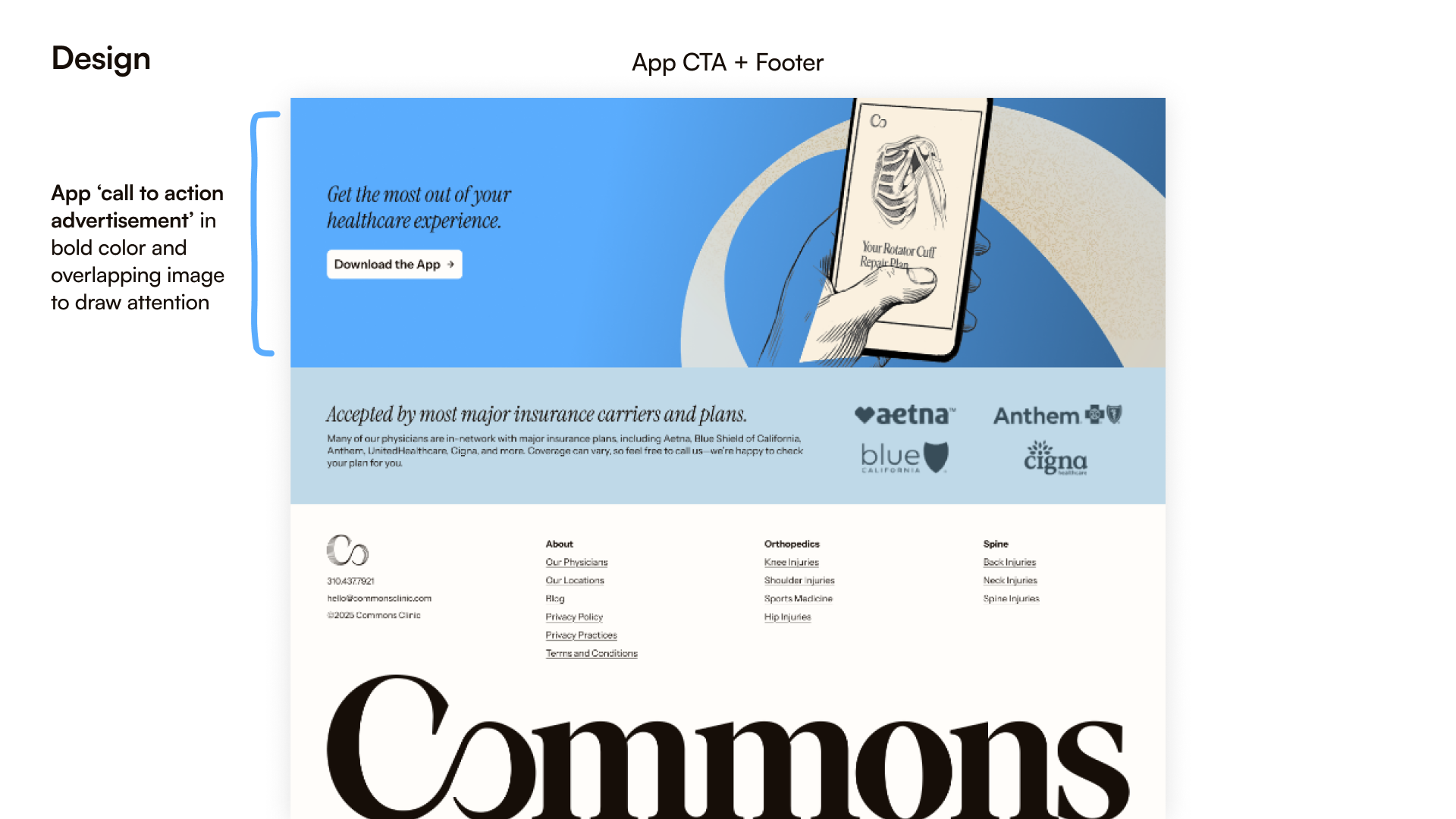
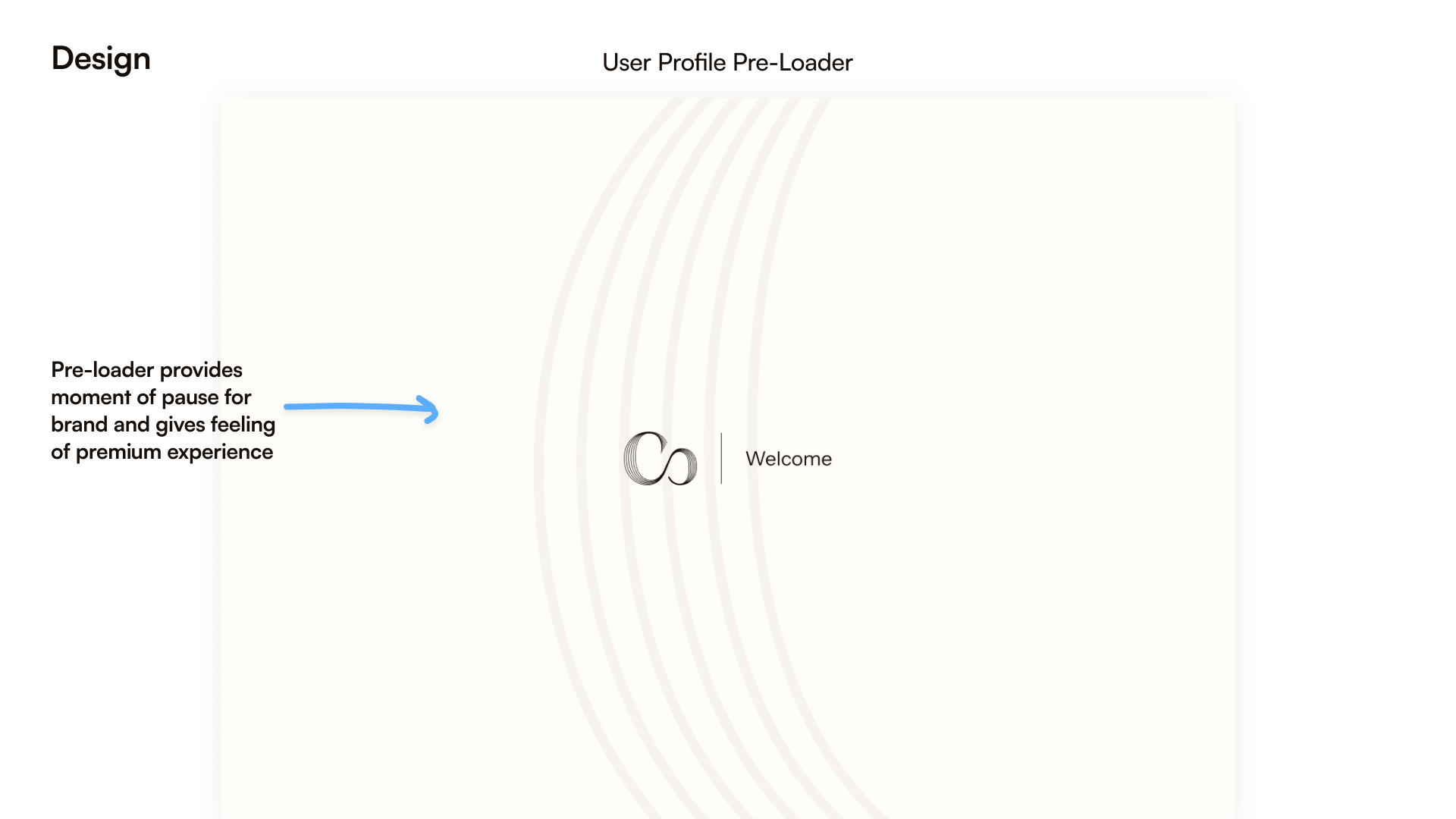
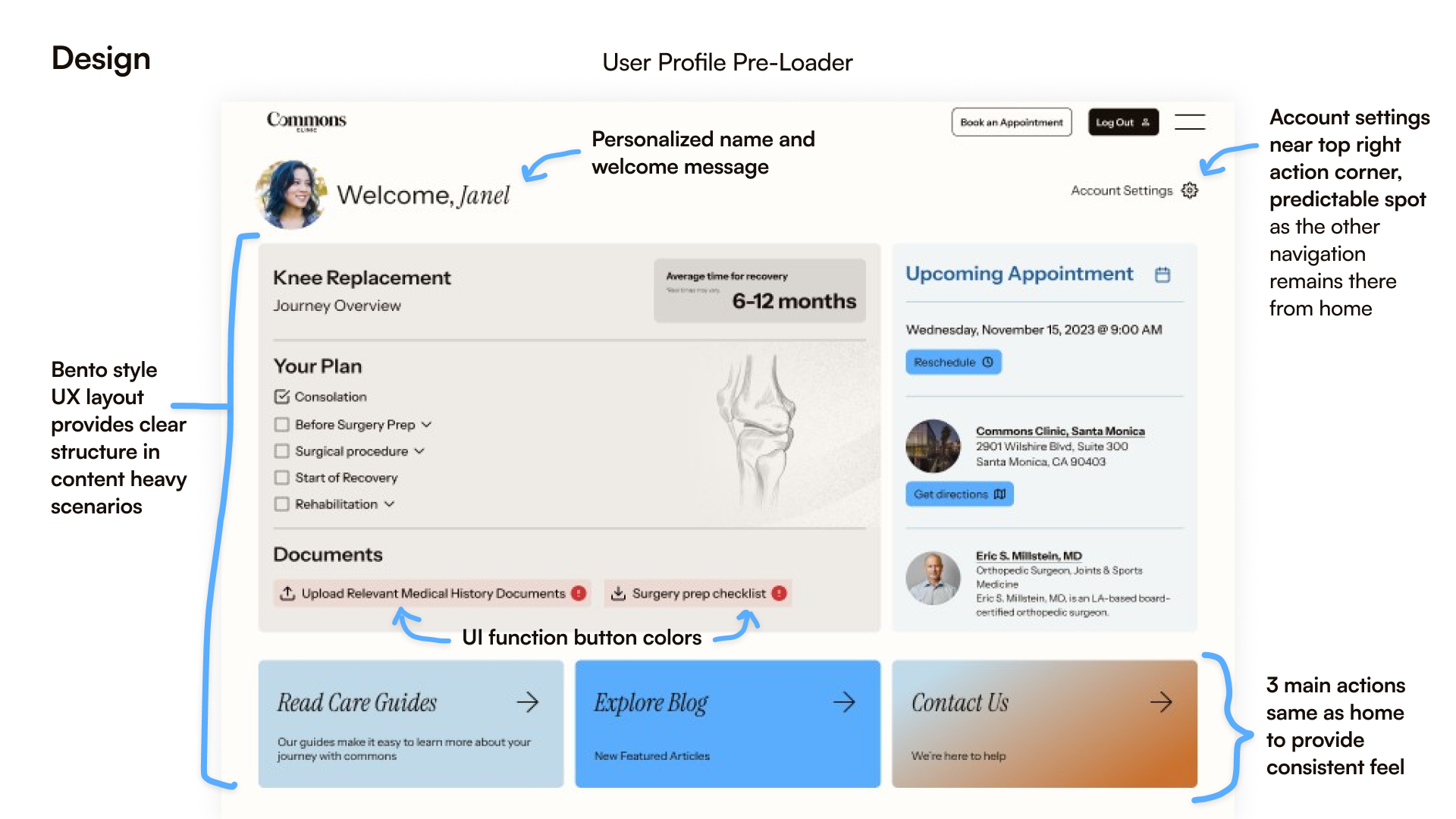
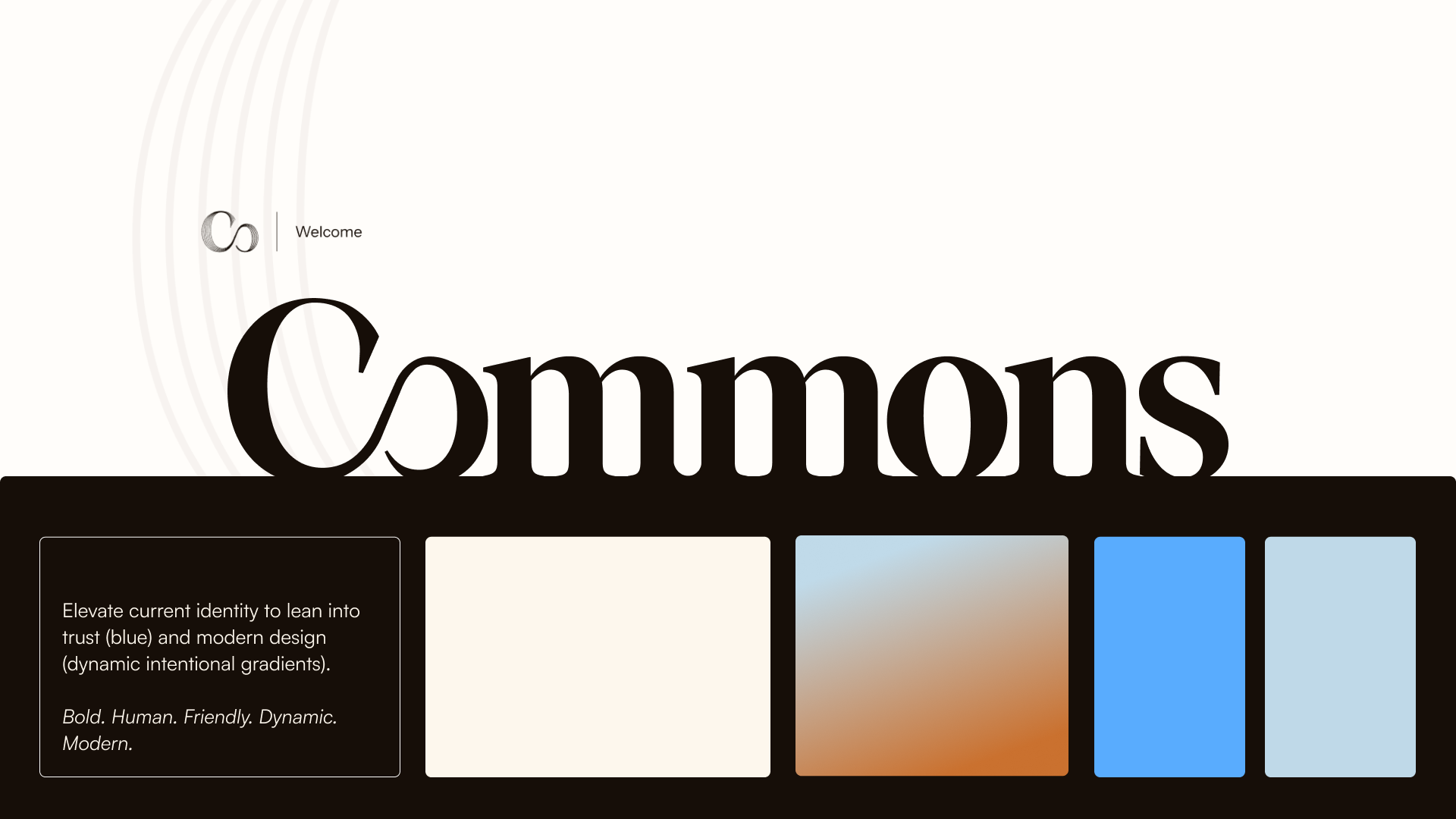
Not just a redesign. A vision for a cohesive, patient-centered digital experience that bridges the gap between browsing and taking action.Full design decision walkthrough below. Use arrows to navigate
Interactive Prototype
Click through the prototype below to experience the Home Page, Log In, and User Profile Page interactions and hover animations.